

When planning a new staircase, one of the first questions is often: how much will it cost?
The reality is that bespoke staircases can vary significantly in price, as every project is designed and manufactured to suit a specific space and requirement. Unlike off-the-shelf options, a bespoke staircase is tailored in terms of layout, materials and finish — meaning no two are the same.
In this guide, we break down the key factors that influence the cost of a bespoke staircase, helping you better understand what to expect when planning your project.
Size and Layout of the Staircase
The overall size and configuration of your staircase plays a major role in determining cost.
Factors include:
- Straight vs. curved or winder staircases
- Number of steps and landings
- Ceiling height and floor-to-floor measurements
More complex layouts require additional design time, materials and manufacturing precision, which can increase overall cost.
Materials Used
The choice of materials has a significant impact on price.
Common options include:
- Softwood (more cost-effective)
- Oak and hardwoods (premium, durable and visually appealing)
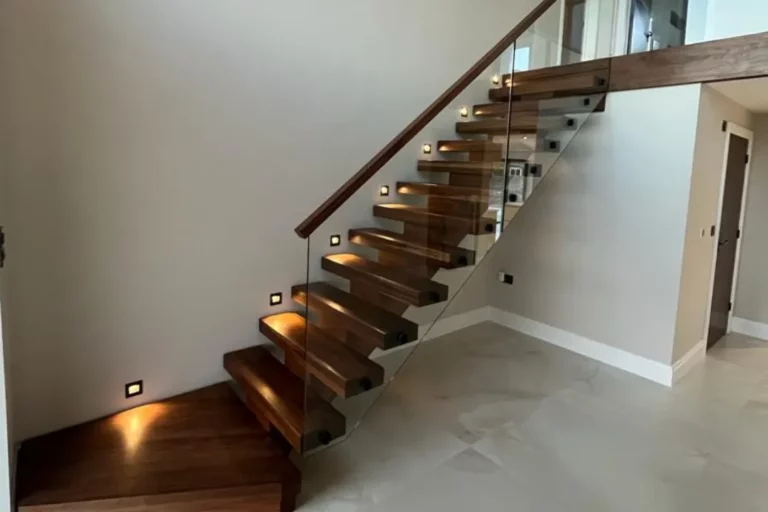
- Glass panels or balustrades
- Metal components or feature details
Higher-end materials not only increase cost but also enhance the overall finish and longevity of the staircase.
Design and Detailing
Bespoke staircases allow for a high level of customisation.
This can include:
- Handcrafted balustrades
- Feature newel posts
- Unique design elements
- Contemporary or traditional styles
The more intricate the design, the more time and expertise required to manufacture it.
Level of Finish
Finishing options also influence cost.
These may include:
- Painted finishes
- Staining or oiling
- Lacquering for durability
- Pre-finished vs. site finishing
Higher-quality finishes require additional preparation and materials, contributing to the final price.
Installation Requirements
While some clients require supply only, others need full installation.
Factors that affect cost include:
- Site access
- Complexity of installation
- Coordination with other trades
- Project timelines
More complex installations can require additional labour and planning.
Project Type
The type of project can also influence pricing:
- New builds (often more straightforward)
- Renovations (may involve structural adjustments)
- Developments (potential for multiple units)
Each scenario brings different requirements that can impact both design and cost.
Why Choose a Bespoke Staircase?
While bespoke staircases can represent a higher investment than standard options, they offer clear advantages:
- Designed specifically for your space
- Greater flexibility in style and finish
- Higher quality materials and craftsmanship
- Long-term durability and value
A well-designed staircase is not just functional — it becomes a key feature within the home.
In Summary
The cost of a bespoke staircase depends on a combination of design, materials and project requirements. Understanding these factors helps ensure you can plan effectively and achieve the right result for your space.
At G & L Staircases, we work closely with homeowners, builders and developers to provide clear guidance and tailored solutions for every project.
If you’re planning a bespoke staircase for a new build, renovation or development in Neath Port Talbot or the wider areas, our team would be happy to discuss your requirements. Get in touch today to start your project.